

The Relationships Behind the Results
The Relationships Behind the Results
How Prichard’s community-school partnerships laid the groundwork for lasting change in Warren County.
Stronger schools begin with stronger relationships—and families belong at the center of the work.
A FOUNDATION BUILT THROUGH COMMUNITY SCHOOLS
In Warren County, Prichard’s Kentucky Community Schools Initiative (KCSI) created a foundation for schools and community organizations to work more closely together. Through school-based partnerships, educators, Family Resource and Youth Services Centers (FRYSCs), and local organizations could identify needs, connect resources, and coordinate support for students and families. The Prichard Committee helped strengthen this collaborative approach by supporting relationships, shared planning, and leadership across partners.
FROM SCHOOL PARTNERSHIPS TO NEIGHBORHOOD PARTNERSHIPS
Bowling Green Promise Neighborhood built on this foundation, extending those school-based collaborative efforts directly into the neighborhoods. Rather than asking families to navigate disconnected programs on their own, partners began working together to bring opportunities closer to where residents live. Prichard’s role as a coordinating partner helped connect organizations, align priorities, and kept attention on long-term educational opportunity—from early childhood through adulthood.
As BGPN Director, Stacie Moses has worked with partners to extend existing connections into an intentional, growing network of collaboration. Through individual outreach, regular partner convenings, and conversations about shared priorities, she has brought organizations to the same table, helped them recognize where their work intersects, and supported a common plan for serving families. Through this coordinated effort, the network of committed partners has grown from four to 18, with 32 partner-led programs aligned through a shared Collaborative Action Plan in 2026. These numbers represent more than participation: they reflect a stronger foundation for sharing resources, identifying gaps, and following through together.
PARTNERSHIP IN PRACTICE
One example is Warren County Parks and Recreation. Its outreach work began through school connections at Jennings Creek Elementary and Henry F. Moss Middle School, supported by school and FRYSC relationships. Through KCSI and Promise Neighborhood partnerships, that collaboration broadened to include neighborhood events and activities with other community organizations. What started as connections through schools became opportunities for children and families to play, learn, and belong throughout the community.
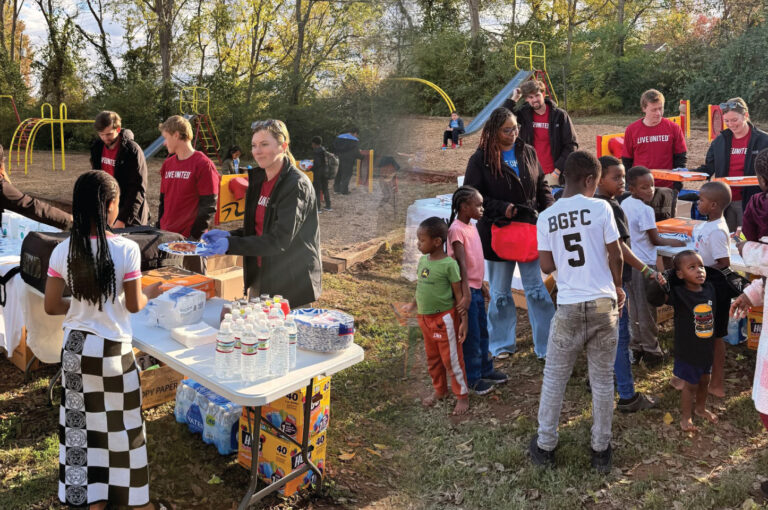
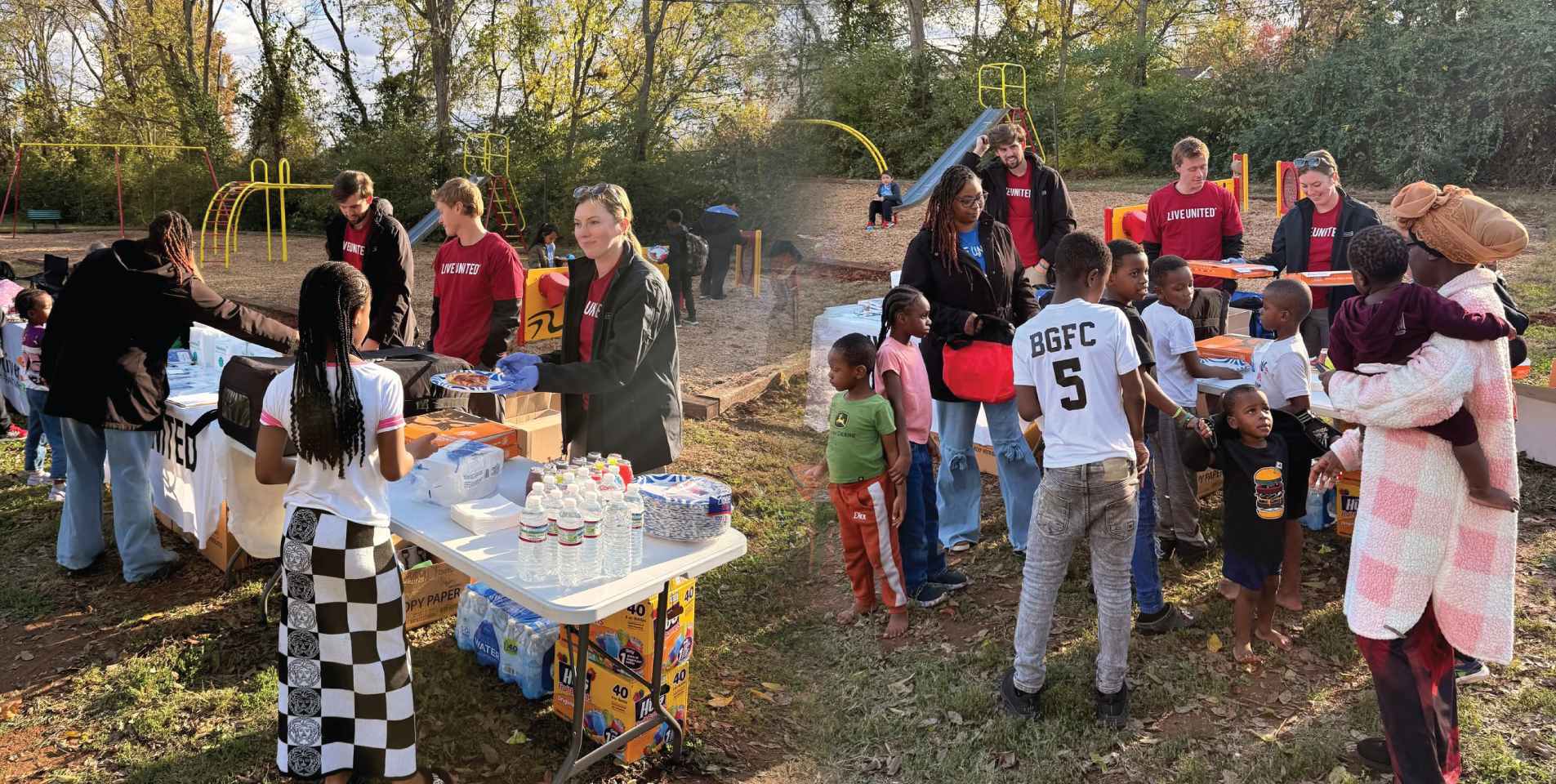
Another example of partnership in action can be seen through neighborhood block parties organized by United Way of Southern Kentucky. Held at Faith Methodist Church and Western Green Apartments, these events brought families together to connect with neighbors, access essential supplies, and explore early childhood learning opportunities. Community partners, including the Family Enrichment Center, Refuge BG, and the City of Bowling Green, worked alongside United Way to provide resources and strengthen connections with families. Through these collaborative efforts, parents and caregivers gained access to valuable supports and programs, including ParentPowered, and Dolly Parton’s Imagination Library, while building relationships with organizations committed to supporting their children’s growth and success.
FROM PARTICIPATION TO SHARED PARENT AND RSIDENT LEADERSHIP
In BGPN, families are not just recipients of services. The most important evolution in this work is the shift from doing things for families to building solutions with them. Each spring and fall, Bowling Green Promise Neighborhood surveys families and residents to learn what matters most to them, what challenges they face, and what opportunities they want in their neighborhoods. Partners use this feedback before developing programming so resident voices help shape what families are offered. The surveys also give schools and community organizations a clearer picture of neighborhood needs and requests.
In addition, the Bowling Green Promise Neighborhood’s Resident Leadership Model places community members at the heart of engagement and decision-making. Through this model, Community and Parent Advocates serve as trusted connections between families, schools, and local organizations. Because they live in the neighborhoods they serve, these advocates bring firsthand knowledge of their communities’ strengths, challenges, and aspirations. They listen to families, share information about available resources, connect neighbors with programs and opportunities, and ensure community voices help inform planning and decisions. By building on existing relationships and trust, this model creates meaningful opportunities for leadership and helps ensure that solutions are developed with families rather than for them.
The impact of resident leadership became evident when one young adult resident stepped into the role of Community Advocate. Initially, she faced barriers to community involvement, including limited transportation and a lack of awareness of opportunities to engage with her neighbors. Through her role as a Community Advocate, she gained confidence and independence, opened her first bank account, and developed meaningful connections by visiting and listening to families throughout her neighborhood. Her experience demonstrates the power of intentional partnerships and resident leadership when communities create opportunities for residents to lead, they not only strengthen the support available to families but also empower individuals to grow, build confidence, and become agents of change within their own neighborhoods.
The Prichard Committee’s Commonwealth Institute for Parent Leadership (CIPL) created another meaningful pathway for families to move from participation to leadership. Through CIPL training in Bowling Green, parents and caregivers gained a deeper understanding of how schools operate, strengthened their communication and advocacy skills, and explored opportunities to create positive change for children and families. Building on the relationships established through Bowling Green Promise Neighborhood, CIPL helped equip parents with the knowledge, confidence, and tools to become active partners in shaping educational and community priorities. Rather than simply attending meetings or participating in programs, families are encouraged to bring their experiences, perspectives, and ideas to the decision-making table—working alongside educators, community organizations, and other residents to develop solutions that reflect the needs and aspirations of their neighborhoods.
WHAT THE PARTNERSHIP MODEL MAKES POSSIBLE
KCSI helped strengthen the connections among schools and community partners. Promise Neighborhoods broadened that work into a coordinated neighborhood strategy. CIPL and resident leadership efforts created pathways for families to help guide the decisions that affect them. Prichard helped hold these pieces together through convening, coaching, shared planning, and a commitment to collaboration.
Currently, Stacie is working with partners to move this network toward a more formal, locally led coalition, with shared leadership roles and responsibilities. The structure is still taking shape, but the intention is clear: relationships built through KCSI and BGPN will continue to support coordinated action and resident leadership.
BUILT TO LAST
The lasting impact is not only a new activity or service. It is the trust, leadership, and shared ways of working that partners and residents will carry forward. Warren County partners are working to sustain school-community collaboration, develop parent leaders through continued parent leadership opportunities and resident advocacy, and coordinate services around priorities families help identify. By keeping trusted connections, shared planning, and family voice in place, the work will continue to be strengthened in Warren County.